Why Do People Steal Used Cooking Oil? What NYC Restaurants Need to Know
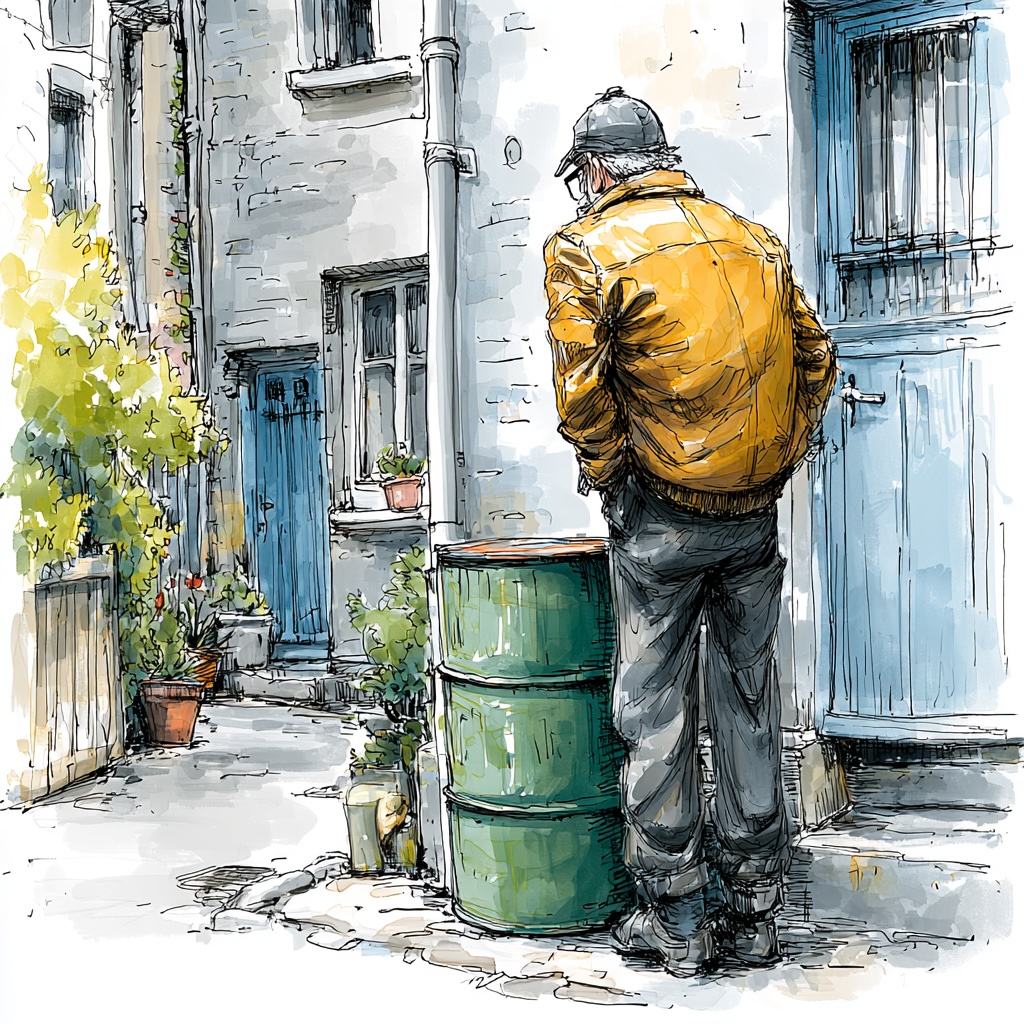
If you've ever come out to your service area in the morning and noticed your grease container is lighter than it should be, or found it completely empty before your scheduled pickup, you're not imagining things. Used cooking oil theft is a real, documented, and growing problem for food service operations across New York City and the surrounding region. For example, Suffolk County police reported over 100 incidents in a single year. National estimates from the rendering industry put annual losses across the country at approximately $75 million.
We work with restaurants across Manhattan, Brooklyn, and Queens every week, and this is a topic that comes up in real kitchens, not just crime reports. Understanding why this crime happens, how it works, and what it means for your compliance documentation is genuinely useful knowledge for anyone running a commercial kitchen in this city. This article covers all of it.
The Simple Reason: Used Cooking Oil Has a Real Second Life
The starting point for understanding grease theft is understanding what happens to used cooking oil once it's collected. Yellow grease, the used fryer oil your kitchen produces, is a feedstock for biodiesel, animal feed, industrial oleochemicals, and personal care products. The more demand there is for renewable fuel and bio-based products, the more that demand flows back into the market for the raw feedstock that produces them.
That feedstock is the oil sitting in your outdoor container.
What recycled cooking oil gets used for is a topic we've covered in depth elsewhere, but the short version is that used fryer oil can be transformed into biodiesel, sustainable aviation fuel, soap, and cosmetics. When legitimate demand rises, the incentive for theft rises alongside it. This is not unique to cooking oil. It's the same dynamic that drives copper wire theft, catalytic converter theft, and other crimes targeting materials with functional secondary markets.
The key difference with grease theft is that it happens quietly, often overnight, and targets containers that are typically in low-visibility areas with minimal security. That combination, accessible material plus low-risk circumstances, is what makes this crime appealing to opportunistic thieves and, in some cases, organized crews.
How Grease Theft Actually Works
Most cooking oil theft doesn't involve a dramatic break-in. It's far more mundane, which is part of why it goes undetected so often. Thieves typically arrive overnight or in the early morning hours, usually in unmarked panel vans or box trucks fitted with portable gas-powered pumps and large storage totes, sometimes 275-gallon IBC totes that can be purchased or rented cheaply. They back up alongside an outdoor collection container, attach a pump hose, and siphon the oil out in a matter of minutes. Then they're gone.
Because the oil is a liquid, it doesn't leave behind obvious signs of forced entry the way a smashed lock or broken door would. If your staff isn't checking oil levels regularly, a theft can go unnoticed for days, or until your collection driver arrives to find a container that should be nearly full completely empty. One investigator interviewed on the topic noted that thieves scout areas using map apps, looking for dense clusters of restaurants near major roads that allow for quick access and escape. In New York City, that describes a significant portion of the commercial corridors in Brooklyn, Queens, and Manhattan.
A second type of grease theft involves impersonation. They might pose as legitimate service personnel arrive in unmarked or loosely branded vehicles during off-hours and represent themselves as being from your collection company to check or service the container. Restaurant staff rarely know exactly what their collection provider's trucks or personnel look like and so are vulnerable to this approach. In extreme cases, organized crews have operated like informal replacement providers, approaching multiple restaurants in a neighborhood and offering to "handle" the oil, collecting it without any documentation, and selling it off-book with practices that are bad for the environment.
Why This Creates a Compliance Problem Beyond the Loss Itself
Here's the part of grease theft that many operators don't think about until they're facing an inspection. Under New York City's regulations, specifically Section 19-11 of the Rules of the City of New York, every time yellow grease leaves your premises, you are required to receive written proof of collection from a BIC-licensed carter. That documentation must be kept on-site for at least one year and produced on request during a DEP inspection.
When oil is stolen, no documentation is generated. There is no manifest, no receipt, no chain of custody record. From a compliance standpoint, a gap in your records looks the same whether the oil was stolen or improperly disposed of. The regulation even states explicitly that it is the generating establishment's responsibility to secure their yellow grease so that proper written proof of collection can be obtained for every batch disposed of. In other words, the city has written the security responsibility into the legal requirement.
NYC's used cooking oil disposal regulations are strict precisely because the city takes the handling and tracking of this material seriously. A theft event that creates a documentation gap puts you in a difficult position if an inspector asks why there are no pickup records for a given period. Having a theft report or written record of the incident helps establish what happened, but it's a much better situation to prevent the gap from occurring in the first place.
What You Can Do to Protect Your Container
The good news is that most grease theft is opportunistic. Thieves generally target unsecured, poorly lit, or isolated containers, and move on when a target presents more friction. Making your container a harder target typically doesn't require significant investment, but it does require deliberate choices about placement, equipment, and staff awareness.
Here are the practical steps that make the most difference:
-
Use a locking container. Containers with locking lids, locking access ports, or proprietary pump connections that only work with your collection provider's equipment are significantly more resistant to siphoning. If you do not have a lockable type, Bio Energy Development can replace for one where necessary/ upon request.
-
Place containers in visible, lit areas. An outdoor container in a dark, isolated alley is an easy target. The same container under a functioning light near a service entrance or in a visible area relative to neighboring businesses is much less attractive.
-
Install or position existing cameras to cover the container area. Investigators consistently report that video surveillance is the single most effective tool for both deterring theft and identifying thieves after the fact. Clear footage showing a vehicle description or license plate is what enables police to act quickly.
-
Know what your hauler's vehicles and personnel look like. Make sure the staff responsible for your service area can identify your collection provider's trucks and uniformed drivers. Anyone arriving outside your scheduled pickup window in an unmarked or unfamiliar vehicle should be questioned or reported.
-
Check oil levels regularly. This doesn't need to be elaborate. A quick visual check of the container when staff close up each night takes seconds and can catch a theft event before days pass without a record of it.
-
Report theft immediately and document it. A police report, combined with a written record of the theft date and estimated volume lost, protects you when your collection documentation has an unexplained gap.
Proper container setup and placement is the foundation of theft prevention. A container that's correctly sized, positioned for service vehicle access, and secured appropriately makes your kitchen a significantly less attractive target than the unsecured 55-gallon drum sitting in an unlocked alley two blocks away.
NYC-Specific Considerations
Grease theft in New York City has a particular character shaped by the city's density and geography. The concentration of restaurants in neighborhoods like Flushing, Sunset Park, Bushwick, and Hell's Kitchen means that a single crew operating overnight can hit multiple containers in one trip without traveling far. Law enforcement in suburban Long Island has openly discussed seeing patterns where thieves work restaurant corridors systematically, which describes many NYC commercial strips equally well.
The outer boroughs, Brooklyn and Queens in particular, have seen documented incidents that operators have shared with us directly. The combination of high restaurant density, complex service access arrangements (basement kitchens, interior service corridors, alley-access containers), and sometimes limited camera coverage in side streets creates conditions thieves actively look for.
Manhattan operations with containers in loading dock areas or building corrals often have more security infrastructure already in place through building management, but that doesn't make them immune. The impersonation approach works in dense urban environments precisely because there's a constant flow of service vehicles and unfamiliar faces moving through service areas.
Understanding how storage conditions and container security interact with your broader compliance program is worth a review if you haven't looked at your setup recently. The same practices that protect your oil from theft also protect your documentation record.
A Note on the Broader Problem
Grease theft doesn't just hurt the individual operation that gets hit. Stolen oil that enters the black market typically ends up processed through unlicensed facilities with no environmental oversight. Improperly handled cooking oil that gets spilled or dumped during transport can contaminate stormwater drains and local waterways. And unlicensed biodiesel production bypasses the quality and safety standards that legitimate facilities follow.
The legitimate recycling chain that takes oil from your fryer through licensed collection, proper processing, and into biodiesel or other renewable products depends on the oil actually reaching that chain. Grease theft disrupts that supply and pushes material into an unregulated parallel market. Knowing how frequently your kitchen generates oil and keeping collection on a consistent schedule reduces the amount of accumulated oil sitting in your container at any given time, which reduces the potential payoff for any individual theft event.
Conclusion: Awareness and the Right Setup Are Your Best Protection
Grease theft is a real crime with real consequences, including financial loss, equipment damage, compliance documentation gaps, and potential DEP exposure. The operators most at risk are those with unsecured outdoor containers, poor visibility around their storage area, and no regular monitoring of oil levels. Most of those vulnerabilities are fixable.
At Bio Energy NYC, every container we provide is designed with security features built in, and we work with each operation to find the right placement for both service access and theft deterrence. If you want to review your current setup or get a proper collection program in place, explore our used cooking oil collection and disposal service or our grease trap cleaning program. When you're ready to get started, contact us or request your free pickup and we'll take it from there.
Bio Energy Development is a BIC-licensed, DEC-permitted used cooking oil collection and grease trap cleaning company serving Manhattan, Brooklyn, and Queens. BIC Lic. #TW3525 | DEC Permit #1A-1149 | EPA ID #NYR000170753.